 ultimate-guide
Bulk Alkaline Water for Industrial Cooling: 2026 Guide
Table of Contents
- Why Bulk Alkaline Water Matters for Industrial Cooling
- Industrial Cooling Water Treatment Standards
- pH Control in Recirculating Cooling Systems
- Bulk Alkaline Water Logistics for Industrial Sites
- Cost-Benefit Analysis: ROI of Switching to Alkaline Water
- Environmental Compliance and Discharge Considerations
- Integration with Existing Cooling Towers and System Design
- Conclusion
Last Updated: August 29, 2026
Why Bulk Alkaline Water Matters for Industrial Cooling
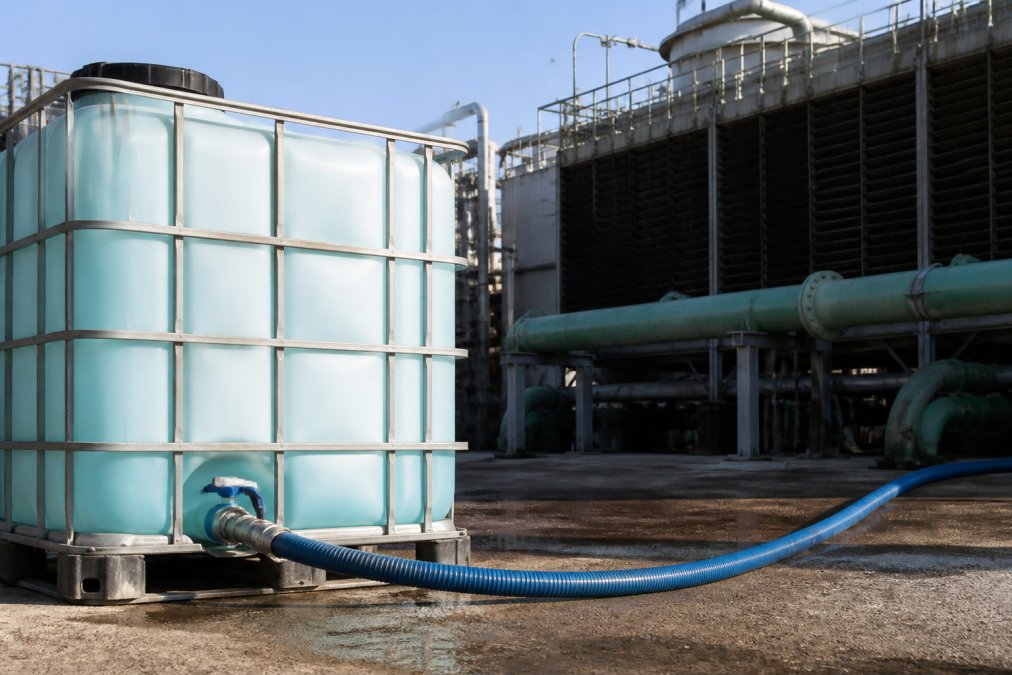
Bulk alkaline water for industrial cooling is one of the most underutilized tools in facility water management. Operations teams that switch to it consistently report fewer corrosion events and more stable system chemistry. At Our True North, LLC, we supply high-volume alkaline water to data centers, manufacturing sites, and industrial facilities that cannot afford chemistry surprises in their cooling circuits.
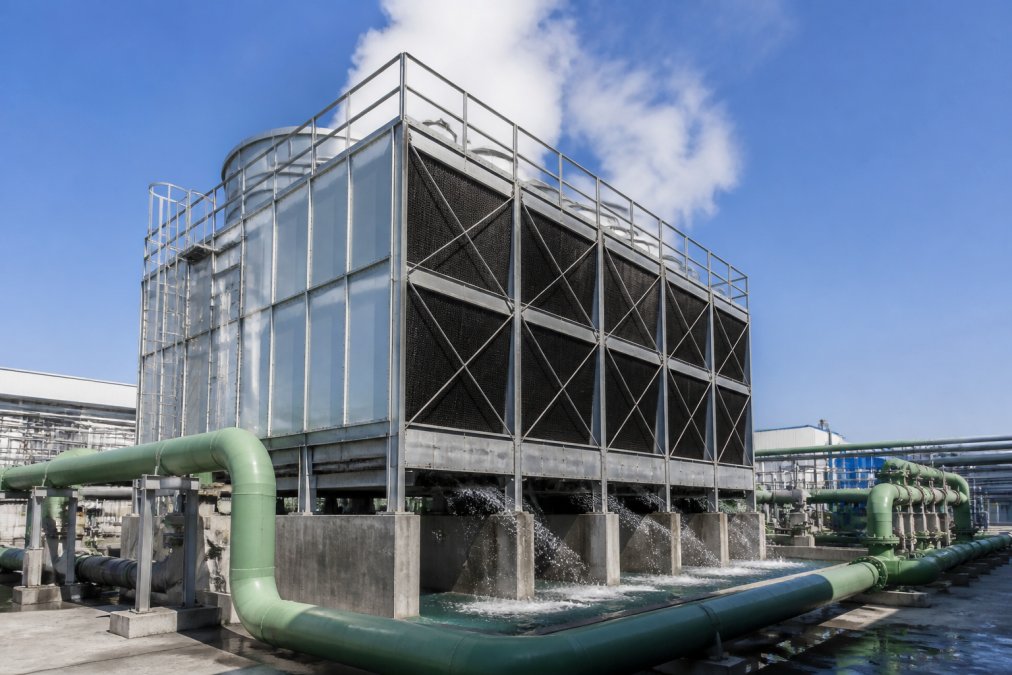
Cooling systems fail in predictable ways: corrosion eats metal surfaces, scale builds on heat-exchange surfaces, and biofilm colonies reduce flow rate and thermal efficiency. All three failure modes are accelerated by acidic or chemically unstable water. Maintaining an alkaline pH range in your recirculating cooling systems attacks all three problems at once, without the handling and disposal complexity of aggressive chemical dosing programs.
Bulk alkaline water is water with a pH consistently above 7.0, typically between 8.0 and 9.5, produced through electrolysis or ion exchange and supplied at industrial volumes.
Corrosion Inhibition and Scale Prevention
Corrosion inhibition in cooling circuits depends directly on water chemistry. Acidic water dissolves metal oxides that form protective layers on pipe walls and heat-exchanger surfaces. Maintaining a pH-balanced alkaline water supply stabilizes those oxide layers, acting as a passive barrier against metal loss.
Scale prevention is equally pH-dependent. Calcium and magnesium carbonates precipitate more aggressively in highly alkaline conditions above pH 9.5. The practical target for most industrial cooling circuits is pH between 8.0 and 9.0, where corrosion inhibition is active but scale formation remains manageable.
Biofilm Control and Fouling Mitigation
Biofilm is the problem most operations teams underestimate until it shows up as a pressure drop or elevated heat-rejection temperature. Bacterial colonies establish themselves on wetted surfaces, produce extracellular polymers, and trap debris, creating a fouling layer that insulates heat-exchange surfaces and restricts flow.
Alkaline pH conditions disrupt biofilm formation by making the aqueous environment less hospitable to common bacterial strains. This does not replace a biocide program in high-risk systems, but it meaningfully reduces the biofilm load your biocide must handle, lowering biocide consumption and lengthening intervals between cleaning shutdowns.
Industrial Cooling Water Treatment Standards
Industrial cooling water treatment standards in the United States are governed by federal environmental regulations, industry guidelines, and facility-specific permit conditions. The EPA guidelines on industrial water use and discharge establish the baseline framework for how facilities must manage process water, including cooling tower blowdown.
The Cooling Technology Institute publishes widely referenced guidelines for cooling water chemistry, covering recommended pH ranges, corrosion inhibitor concentrations, and microbiological limits. For most open recirculating cooling systems, the industry consensus target sits between pH 7.5 and 9.0.
Regulatory Framework and Water Quality Requirements
Water quality requirements for industrial cooling depend on the system type, materials in the circuit, local discharge permit conditions, and whether the facility operates under a National Pollutant Discharge Elimination System permit. The NPDES permit program overview is the primary federal mechanism governing what cooling tower blowdown can contain before discharge.
Facilities operating under NPDES permits must track pH, conductivity, total dissolved solids, and the concentration of any treatment chemicals. Your bulk alkaline water supplier should provide a certificate of analysis documenting pH, conductivity, and key ion concentrations for every batch.
| Parameter | Typical Target Range | Why It Matters |
|---|---|---|
| pH | 8.0 - 9.0 | Corrosion inhibition without aggressive scaling |
| Conductivity | < 2,000 µS/cm | Limits dissolved solids buildup in recirculating loop |
| Total Hardness | 50 - 200 mg/L as CaCO₃ | Balances scale risk against corrosion protection |
| Total Dissolved Solids | < 1,500 mg/L | Controls fouling and blowdown frequency |
| Microbiological Count | < 10,000 CFU/mL | Biofilm and Legionella risk management |
pH Control in Recirculating Cooling Systems
pH control in recirculating cooling systems is an active, ongoing process. Water evaporates, dissolved solids concentrate, and pH drifts. The two primary methods for maintaining an alkaline pH range are electrolysis-based ionization and chemical dosing.
Electrolysis vs. Chemical Dosing: Choosing Your Method
Water electrolysis uses an electrolytic cell to pass electrical current through water, separating it into alkaline and acidic streams. The alkaline output contains elevated hydroxide ion concentrations that raise pH without introducing foreign chemical compounds. This eliminates chemical storage, handling hazards, and dosing pump calibration.
Chemical dosing introduces alkalinity agents, typically sodium hydroxide or proprietary alkalinity builders, through metered injection systems. Chemical dosing is more familiar to most water treatment contractors and easier to retrofit into existing systems, but requires ongoing chemical procurement, storage, and regulatory handling.
For facilities prioritizing a chemical-free approach or operating under tight discharge permit conditions, electrolysis-based ionization is the cleaner option. For facilities with existing chemical treatment infrastructure and experienced operators, chemical dosing remains viable and often lower in capital cost.
Operational Stability and Continuous pH Monitoring
Operational stability requires continuous pH monitoring, not periodic manual testing. Inline pH sensors installed at the makeup water inlet and at a representative point in the recirculating loop give operators real-time data to adjust blowdown rates, makeup water addition, or treatment dosing before pH excursions cause damage.
According to ASHRAE guidelines on cooling water management, facilities that implement automated pH monitoring and control see significantly fewer corrosion and scaling events. Sensor calibration is critical: pH electrodes drift over time and require regular verification against certified buffer solutions.
Bulk Alkaline Water Logistics for Industrial Sites
Logistics is where many industrial water programs fail. The chemistry can be right and the treatment system well-designed, but the program can still fail if the water supply is inconsistent. Bulk water logistics requires the same procurement discipline applied to any critical input.
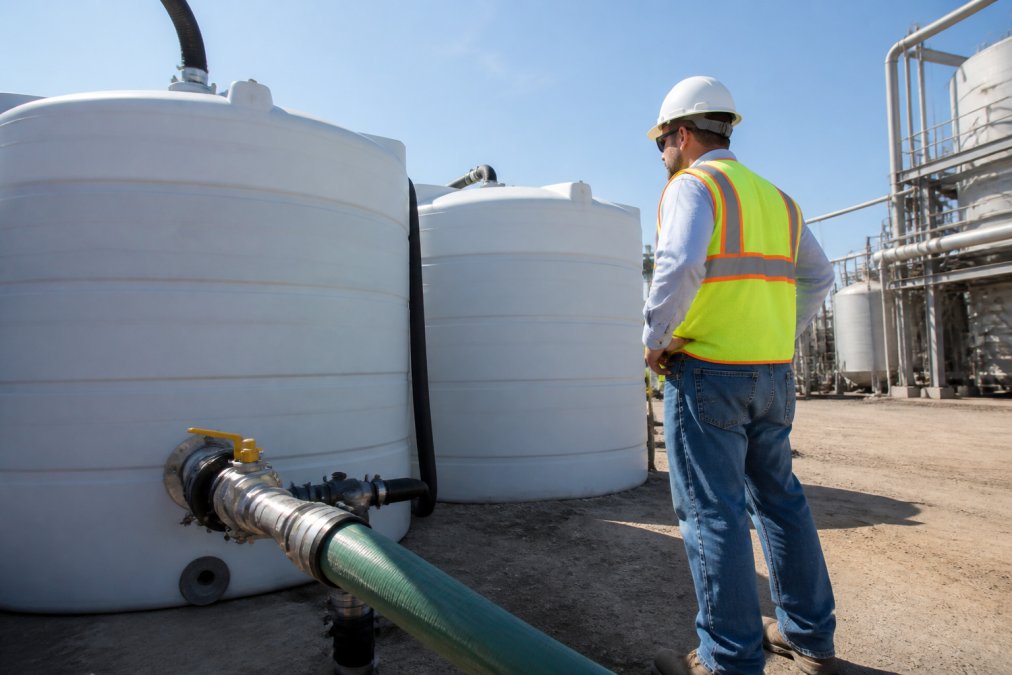
For a data center running 24/7 cooling loads, a gap in makeup water supply is not an inconvenience, it is a potential equipment protection event. Procurement officers need to treat bulk alkaline water supply with the same criticality applied to fuel or power.
Pickup-Based Supply vs. Scheduled Delivery
The pickup model gives industrial buyers direct control over their supply schedule. Rather than waiting for a delivery window, you dispatch to the source when your storage inventory reaches a reorder point. This eliminates the single biggest failure mode in delivery-based supply: the missed or delayed delivery during peak demand.
The tradeoff is internal logistics. Your team needs transport capacity, storage tanks sized for your consumption rate and safety stock, and a dispatch process integrated with operations. For sites with existing bulk liquid logistics infrastructure, this is a minor adjustment. Our True North, LLC operates on a pickup-based model specifically to remove delivery schedule uncertainty.
High-Volume Procurement: What to Confirm Before You Commit
Before committing to any bulk alkaline water supplier, confirm these specifics in writing:
- Batch consistency: Does the supplier provide a certificate of analysis with each pickup, documenting pH, conductivity, and TDS?
- Peak capacity: Can the supplier meet your maximum weekly demand during summer months?
- Storage compatibility: Is the water compatible with your tank materials?
- Minimum order quantities: Does the supplier's minimum align with your operational batch size?
- Quality testing protocols: What testing does the supplier run, and how frequently?
- Contingency arrangements: What happens if the supplier has a production issue?
Cost-Benefit Analysis: ROI of Switching to Alkaline Water
The ROI case for bulk alkaline water comes down to avoided costs. The relevant comparison is not the price per gallon of alkaline water versus standard makeup water, but the total cost of your current water treatment program, including chemicals, chemical handling infrastructure, corrosion-related maintenance, heat-exchanger cleaning cycles, and unplanned downtime, versus the total cost of an alkaline water-based program.
Many facilities reduce their chemical dosing program through pH-controlled makeup water, lowering annual chemical spend meaningfully. Fewer corrosion events extend the service life of pumps, valves, and heat-exchanger bundles. Reduced biofilm accumulation lengthens intervals between chemical cleaning shutdowns, each carrying direct cost and production disruption.
Pricing for bulk alkaline water depends on volume, pickup frequency, and supplier. Our True North, LLC provides volume-based pricing. Request a free estimate with your consumption profile to build an accurate ROI model for your facility.
Environmental Compliance and Discharge Considerations
Environmental compliance is a non-negotiable constraint in industrial cooling water management. Cooling tower blowdown must meet the limits in your facility's discharge permit before it leaves your site.
The Clean Water Act Section 402 NPDES program governs most industrial cooling water discharges. Blowdown from systems treated with alkaline water typically has a favorable discharge profile compared to systems using aggressive chemical inhibitors, because you are not introducing synthetic corrosion inhibitors, biocide residuals, or scale dispersants at the same concentrations. However, pH must be within permit limits at the point of discharge, typically between 6.0 and 9.0.
Confirm your permit conditions with your environmental compliance team before finalizing your treatment chemistry. Electrolysis-based alkaline water production is compatible with on-site renewable power, which some facilities are exploring to reduce both operating costs and Scope 2 emissions.
Integration with Existing Cooling Towers and System Design
Integrating bulk alkaline water into an existing cooling tower system does not require a full system redesign in most cases. The primary engineering considerations are makeup water connection points, storage tank sizing, and the pH monitoring and control loop.
Most recirculating cooling systems already have a makeup water connection with flow metering. Switching the makeup water source from municipal supply to bulk alkaline water requires confirming that the new source water chemistry is compatible with your existing treatment program. If you are running a phosphate-based corrosion inhibitor, verify that the alkalinity of the new makeup water does not precipitate phosphate compounds.
System design should account for the cycles of concentration your system operates at. Higher cycles mean less blowdown and lower water consumption, but dissolved solids concentrate more aggressively. Alkaline makeup water with higher initial conductivity can limit how many cycles you can run before blowdown is required. Work through the mass balance calculation with your water treatment contractor before finalizing your target pH.
For new system design, specifying bulk alkaline water as the makeup source from the outset gives engineers flexibility to optimize the entire water chemistry program around a consistent input. Industrial water ionizer technology can be integrated into cooling tower makeup water systems with appropriate flow rate sizing and control logic.
Cooling system failures from corrosion, scale, and biofilm are expensive and largely preventable with the right water chemistry program. Our True North, LLC supplies high-volume bulk alkaline water with consistent pH and documented water quality, using a pickup-based model that puts supply control in your hands. If you manage a data center, industrial site, or large-scale facility that depends on reliable cooling water, get a free estimate from Our True North, LLC and bring your consumption profile. We will work through the volume requirements, pickup logistics, and water quality specifications with you directly.
Frequently Asked Questions
What is the recommended pH range for industrial cooling water to prevent corrosion?
Most industrial cooling water treatment guidelines target a pH range of 7.0 to 9.0, with many facilities aiming for 8.2 to 8.8 as the optimal window. Within this alkaline pH range, metal surfaces form a protective oxide layer that resists corrosion, while scale-forming minerals remain soluble enough to avoid heavy deposits. Operating outside this range, either too acidic or too alkaline, accelerates equipment wear and increases chemical treatment costs. Regular pH monitoring keeps recirculating cooling systems within spec.
How does alkaline water impact the lifespan of industrial cooling equipment?
Consistently pH-balanced water reduces the electrochemical reactions that corrode metal heat exchangers, pipes, and pump components. Facilities that maintain proper alkaline conditions in their cooling circuits typically see fewer unplanned maintenance shutdowns and longer intervals between component replacements. Scale buildup, which acts as an insulating layer on heat transfer surfaces, also decreases when water chemistry stays controlled. The combined effect is lower maintenance spend and more predictable equipment life over multi-year operational cycles.
What are the logistical advantages of bulk water pickup for industrial sites?
A pickup-based supply model gives operations managers direct control over timing. Rather than waiting on a delivery schedule that may not align with peak demand, your team retrieves the volume you need when your workflow requires it. This eliminates the risk of supply gaps during high-demand periods like summer cooling season. For sites that run 24/7, such as data centers, having a confirmed local source of bulk alkaline water with a flexible pickup window removes a critical single point of failure from the water supply chain.
Can alkaline water reduce chemical treatment costs in cooling towers?
Yes, in many cases. When bulk alkaline water enters a cooling tower already within the target pH range, the volume of pH-adjustment chemicals needed drops significantly. Fewer chemical additions also mean lower conductivity spikes in the recirculating water, which reduces blowdown frequency and conserves water. Over a full operating season, the reduction in reagent purchases and blowdown-related water loss can offset a meaningful portion of the water procurement cost. Exact savings depend on your system's flow rate, cycles of concentration, and baseline chemistry.
What water quality certifications or testing should I require from a bulk water supplier?
Request a current water quality report showing pH, total dissolved solids, hardness, conductivity, and microbial counts. For industrial cooling applications, suppliers should be able to confirm their water meets the quality standards your equipment manufacturer specifies. Ask whether testing is performed by an accredited third-party laboratory and how frequently results are updated. If your facility operates under EPA Clean Water Act discharge permits or OSHA process safety requirements, confirm the supplier's chemistry is compatible with your compliance obligations before committing to volume.
How do you maintain consistent water quality for large-scale cooling operations?
Consistency depends on three things: a controlled source, regular in-system monitoring, and a clear response protocol when readings drift. Starting with bulk alkaline water that already meets your pH and hardness targets reduces the correction burden inside the system. Install inline pH and conductivity sensors at key points in the cooling circuit and set alert thresholds. When readings approach the edge of your acceptable range, adjust blowdown rates or add makeup water before the chemistry shifts enough to cause corrosion or scale. Document every adjustment to build a baseline for seasonal planning.
This article was written using GrandRanker
Frequently Asked Questions
What is the recommended pH range for industrial cooling water to prevent corrosion?
Most industrial cooling water treatment guidelines target a pH range of 7.0 to 9.0, with many facilities aiming for 8.2 to 8.8 as the optimal window. Within this alkaline pH range, metal surfaces form a protective oxide layer that resists corrosion, while scale-forming minerals remain soluble enough to avoid heavy deposits. Operating outside this range, either too acidic or too alkaline, accelerates equipment wear and increases chemical treatment costs. Regular pH monitoring keeps recirculating cooling systems within spec.
How does alkaline water impact the lifespan of industrial cooling equipment?
Consistently pH-balanced water reduces the electrochemical reactions that corrode metal heat exchangers, pipes, and pump components. Facilities that maintain proper alkaline conditions in their cooling circuits typically see fewer unplanned maintenance shutdowns and longer intervals between component replacements. Scale buildup, which acts as an insulating layer on heat transfer surfaces, also decreases when water chemistry stays controlled. The combined effect is lower maintenance spend and more predictable equipment life over multi-year operational cycles.
What are the logistical advantages of bulk water pickup for industrial sites?
A pickup-based supply model gives operations managers direct control over timing. Rather than waiting on a delivery schedule that may not align with peak demand, your team retrieves the volume you need when your workflow requires it. This eliminates the risk of supply gaps during high-demand periods like summer cooling season. For sites that run 24/7, such as data centers, having a confirmed local source of bulk alkaline water with a flexible pickup window removes a critical single point of failure from the water supply chain.
Can alkaline water reduce chemical treatment costs in cooling towers?
Yes, in many cases. When bulk alkaline water enters a cooling tower already within the target pH range, the volume of pH-adjustment chemicals needed drops significantly. Fewer chemical additions also mean lower conductivity spikes in the recirculating water, which reduces blowdown frequency and conserves water. Over a full operating season, the reduction in reagent purchases and blowdown-related water loss can offset a meaningful portion of the water procurement cost. Exact savings depend on your system's flow rate, cycles of concentration, and baseline chemistry.
What water quality certifications or testing should I require from a bulk water supplier?
Request a current water quality report showing pH, total dissolved solids, hardness, conductivity, and microbial counts. For industrial cooling applications, suppliers should be able to confirm their water meets the quality standards your equipment manufacturer specifies. Ask whether testing is performed by an accredited third-party laboratory and how frequently results are updated. If your facility operates under EPA Clean Water Act discharge permits or OSHA process safety requirements, confirm the supplier's chemistry is compatible with your compliance obligations before committing to volume.
How do you maintain consistent water quality for large-scale cooling operations?
Consistency depends on three things: a controlled source, regular in-system monitoring, and a clear response protocol when readings drift. Starting with bulk alkaline water that already meets your pH and hardness targets reduces the correction burden inside the system. Install inline pH and conductivity sensors at key points in the cooling circuit and set alert thresholds. When readings approach the edge of your acceptable range, adjust blowdown rates or add makeup water before the chemistry shifts enough to cause corrosion or scale. Document every adjustment to build a baseline for seasonal planning.