 listicle
High Volume Alkaline Water Supply: 2026 Guide
Table of Contents
- What Is High Volume Alkaline Water Supply and Who Needs It
- Industrial Alkaline Water Solutions: Options Compared
- pH-Balanced Water for Data Center Cooling: Why It Matters
- Bulk Alkaline Water for Construction Sites: Crew Hydration at Scale
- High Volume Alkaline Water Supply for Fire Departments and Industrial Facilities
- Environmental Impact and Cost-Benefit Analysis of Bulk Alkaline Water
- How Our True North, LLC Delivers Reliable Bulk Alkaline Water Pickup
- Frequently Asked Questions
Last Updated: August 31, 2026
High volume alkaline water supply is critical infrastructure for operations that can't afford inconsistent sourcing, contaminated water, or delivery delays. At Our True North, LLC, we work directly with data centers, construction crews, fire departments, and industrial facilities requiring consistent, clean, pH-balanced water at scale. This guide covers what alkaline water is, which supply options work at volume, and how to evaluate cost, logistics, and environmental impact before committing to a source.
Most guides focus on consumer-level alkaline water benefits and ignore bulk procurement realities. The questions that matter at scale are different: How do you maintain consistent pH levels across large volumes? What's the real cost difference between on-site filtration and bulk pickup? What happens when your current supplier can't deliver?
Quick Picks:
- Best for data centers: pH-balanced water with consistent alkalinity for cooling system protection
- Best for construction sites: Bulk pickup with flexible scheduling for crew hydration
- Best for fire departments and industrial facilities: High-volume, potable-grade alkaline water with no delivery dependency
What Is High Volume Alkaline Water Supply and Who Needs It
High volume alkaline water supply is the consistent, large-scale provision of water with a pH above 7.0, typically between 8.0 and 9.5, for commercial or industrial use. Unlike consumer products, bulk supply prioritizes volume capacity, pH stability, water quality consistency, and supply chain reliability.
Alkaline water is water treated to raise its pH above neutral (7.0) through ionization, mineralization, or filtration systems that introduce bicarbonate and essential minerals.
Who needs this at scale?
- Data center operators requiring pH-balanced water for cooling tower systems
- Construction site managers coordinating crew hydration across large job sites
- Industrial manufacturing facilities where water chemistry affects process quality and equipment longevity
- Fire departments needing large quantities of clean, potable water for emergency response
- Large commercial operations with daily consumption exceeding standard delivery logistics capacity
The common thread: these operations can't tolerate supply gaps. A construction crew without water on a 100-degree day or a data center cooling system running on inconsistent pH water faces serious operational consequences.
Understanding pH Levels and Alkalinity in Commercial Water
pH level measures hydrogen ion concentration on a scale from 0 to 14. Water at pH 7.0 is neutral; below 7.0 is acidic; above 7.0 is alkaline. Most commercial applications target 8.0 to 9.5.
Alkalinity and pH are related but distinct. Alkalinity measures water's capacity to resist pH changes, often tied to bicarbonate concentration. High alkalinity acts as a buffer, preventing corrosion or scaling in cooling systems.
The EPA guidance on drinking water pH and corrosivity notes that low-pH water can leach metals from pipes and equipment, making pH management a practical infrastructure concern.
Key metrics for operations managers:
- pH range: Consistent output between 8.0 and 9.5
- Electrolytes and mineral content: Relevant for crew hydration and equipment compatibility
- Total dissolved solids (TDS): Affects water chemistry for industrial use
- Purification method: Reverse osmosis, ionization, or mineral-based filtration each produce different profiles
Industrial Alkaline Water Solutions: Options Compared
The biggest mistake operations managers make is treating all alkaline water sources as equivalent. The alkalization method, volume capacity, and supply model all affect whether a solution works at scale.
| Solution Type | Best For | Volume Capacity | Key Limitation |
|---|---|---|---|
| On-site ionizer (electrochemical) | Continuous in-facility use | High, continuous output | High upfront cost, maintenance required |
| Mineral filtration system | Facilities with existing water infrastructure | Moderate to high | Requires site analysis and integration |
| Reverse osmosis + remineralization | High-purity applications | High | Equipment complexity |
| Bulk pickup from local source | Variable demand, no infrastructure investment | Very high | Requires transport capability |
| Bottled/packaged alkaline water | Low-volume or temporary use | Low | Cost-prohibitive at scale |
On-Site Ionization and Filtration Systems
On-site systems work when a facility has stable water infrastructure and consistent daily demand. Electro-Chemical Activation (ECA) systems generate alkaline ionized water through electrochemical processes, achieving pH ranges from 8.0 to above 11.0, with commercial units producing tens of thousands of gallons per day.
Mineral-based filtration systems use media containing magnesium oxide and calcium oxide to raise pH naturally. Commercial systems handle flow rates from 14 to over 200 gallons per minute. The advantage: no ionization equipment to maintain. The limitation: mineral media requires periodic replacement.
Reverse osmosis combined with ionic mineral alkaline generation produces highly consistent water but requires more equipment, maintenance, and capital investment.
The upfront engineering work is substantial. Site validation, plumbing integration, and ongoing calibration add operational overhead. For facilities with reliable water infrastructure and engineering staff, long-term economics can favor on-site treatment. For operations without that infrastructure, bulk pickup is often more practical.
Bottled vs. Bulk Pickup: Cost and Logistics Breakdown
Bottled alkaline water is not viable for high-volume commercial use. Per-gallon cost, packaging waste, and logistical overhead make it impractical for operations consuming more than a few hundred gallons weekly.
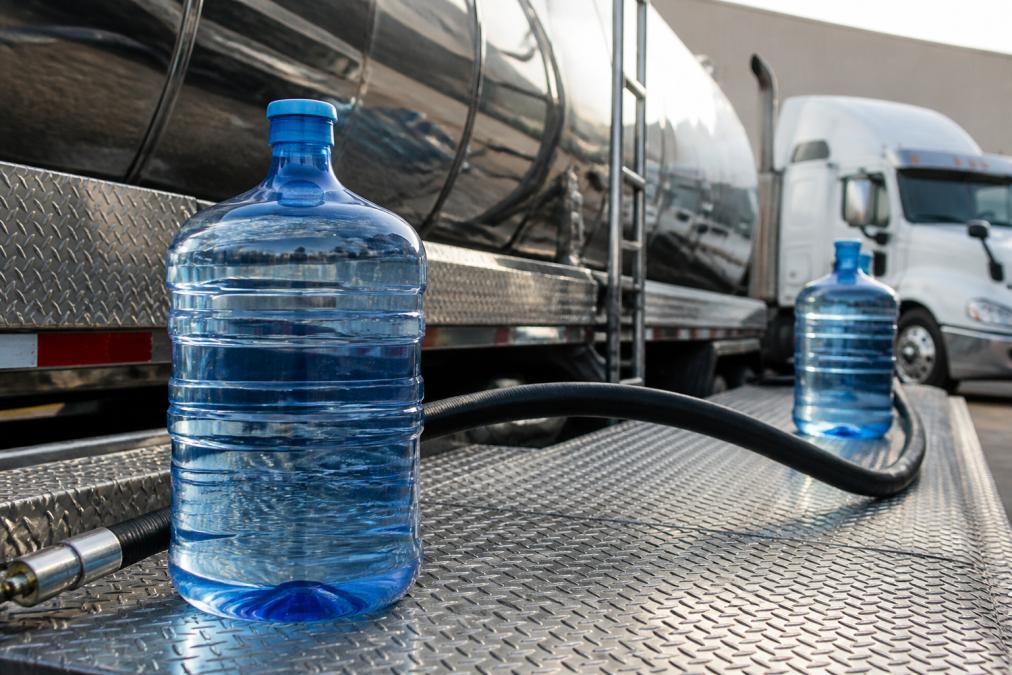
Bulk pickup from a local source eliminates delivery dependency. You bring your tanker or containers to the fill station, load your volume, and transport it to your site. No waiting on delivery schedules, no supply chain disruptions.
The real cost-benefit question is: what is the cost of a supply failure? For a data center running 24/7 cooling systems or a construction crew working in summer heat, the answer justifies paying a premium for reliability. According to OSHA guidelines on heat illness prevention for outdoor workers, adequate hydration is a legal requirement for employers with outdoor workers in high-heat environments.
Bulk pickup gives procurement officers control. You set the pickup schedule based on actual consumption, not a supplier's delivery route.
pH-Balanced Water for Data Center Cooling: Why It Matters
pH-balanced water for data center cooling is one of the most technically specific applications of alkaline water supply at scale. Cooling tower systems are sensitive to water chemistry, and pH imbalances create cascading problems.
Water that's too acidic accelerates corrosion in metal components. Water that's too alkaline without proper treatment causes scaling, where mineral deposits reduce heat transfer efficiency. The target is a controlled alkaline range, typically managed with chemical treatment programs designed for cooling water.
For data center operations managers, the practical implication is this: source water quality matters before any treatment chemistry is applied. Starting with consistent, clean alkaline water reduces the treatment burden and makes pH management more predictable.
The hydration status of data center staff is a secondary but real consideration. Facilities running 24/7 in high-heat server environments need reliable drinking water supply for personnel.
Bulk Alkaline Water for Construction Sites: Crew Hydration at Scale
Construction site managers face a straightforward but high-stakes water problem: large crews, remote locations, extreme heat, and no tolerance for supply gaps.
Texas summer conditions make adequate hydration a daily operational priority. The National Institute for Occupational Safety and Health guidance on heat stress identifies dehydration as a primary contributor to heat-related illness, among the most common causes of worker injury in outdoor construction.
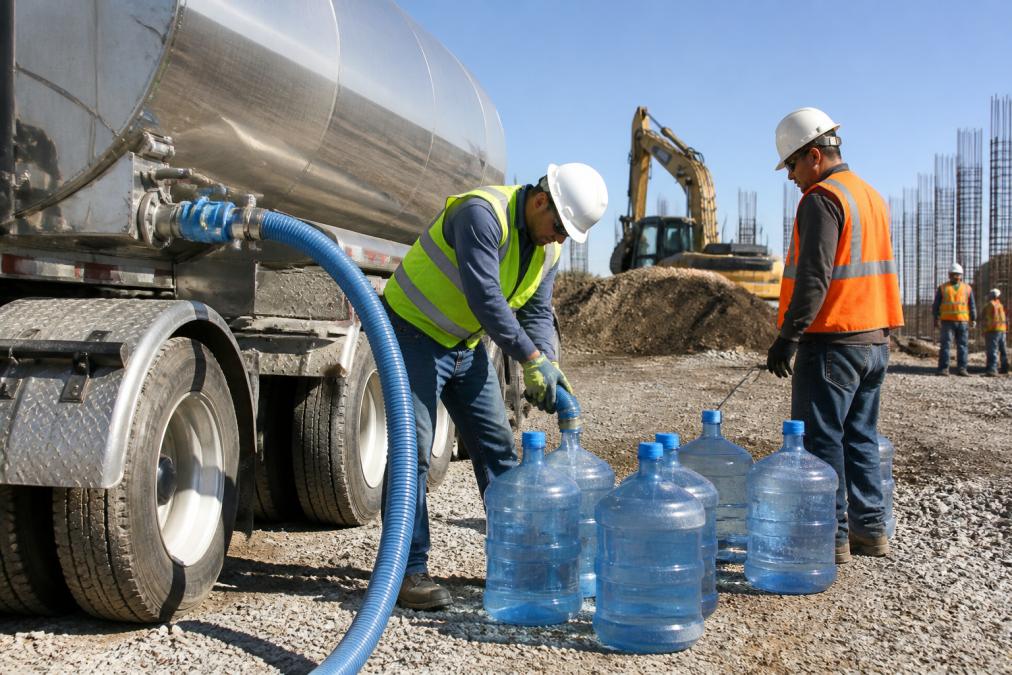
Bulk alkaline water works because the pickup model matches how construction operations function. Site managers already coordinate equipment, materials, and personnel logistics. Adding a scheduled water pickup fits naturally into that workflow.
The water quality argument for alkaline over standard tap water comes down to electrolytes and mineralization. Alkalized water with retained essential minerals supports hydration more effectively during sustained physical labor than demineralized or acidic water.
Practical considerations for bulk construction site supply:
- Volume planning based on crew size, shift length, and temperature forecast
- Container capacity and transport logistics from fill station to site
- Storage conditions to maintain water quality between pickup and consumption
- Backup supply plan for high-demand periods
Plan for higher consumption than baseline estimates when temperatures exceed 95°F.
High Volume Alkaline Water Supply for Fire Departments and Industrial Facilities
Fire departments operate under a constraint most procurement scenarios don't face: demand is unpredictable, and supply gaps during emergencies are not recoverable.
A pickup-based supply model gives you control over inventory. You build a buffer stock when staffing allows, so you're not dependent on a delivery arriving at the right time during a crisis.
High volume alkaline water supply for fire departments covers two needs: potable water for personnel hydration during extended operations, and clean water for equipment maintenance. Consistent pH and water chemistry prevent mineral deposits and corrosion in sensitive components.
For industrial manufacturing facilities, water quality requirements are often the most specific. Process water, equipment cooling, and facility maintenance each have different chemistry requirements. Sourcing large volumes of consistently pH-balanced, purified water from a single reliable point simplifies supplier management and reduces production risk.
Environmental Impact and Cost-Benefit Analysis of Bulk Alkaline Water
The environmental case for bulk pickup over bottled alkaline water is clear. Single-use plastic bottles represent significant waste for operations consuming water at industrial scale. Bulk supply eliminates this packaging disposal problem entirely.
The EPA's overview of plastic waste and water packaging environmental impact documents the scale of packaging waste from bottled water nationally. For operations with sustainability reporting requirements or ESG commitments, switching to bulk supply is a straightforward improvement with measurable impact.
The cost-benefit analysis of on-site filtration versus bulk pickup depends on three variables:
- Daily volume: Higher consumption improves on-site treatment capital investment economics
- Infrastructure readiness: Existing water treatment infrastructure lowers integration costs
- Supply reliability requirements: Operations needing redundancy benefit from a local bulk source independent of on-site systems
| Factor | Favors On-Site Filtration | Favors Bulk Pickup |
|---|---|---|
| Daily volume | Very high, continuous | Variable or intermittent |
| Existing infrastructure | Strong | Limited or none |
| Capital budget | Available | Constrained |
| Engineering staff | On-site | External or minimal |
| Supply reliability need | High, with backup | High, primary source |
| Environmental priority | Moderate | High (zero packaging waste) |
The hidden cost in bulk pickup is transportation. Your operation needs tanker capacity and staff time for pickups. For most industrial operations already running heavy equipment logistics, this is marginal. The hidden cost in on-site filtration is maintenance and calibration. Systems that aren't properly maintained drift in pH output and water quality.
How Our True North, LLC Delivers Reliable Bulk Alkaline Water Pickup
Our True North, LLC is built specifically for the operations described in this guide. We provide high-volume alkaline water supply through a straightforward bulk pickup model designed to eliminate the delivery dependency that creates supply gaps for critical operations.
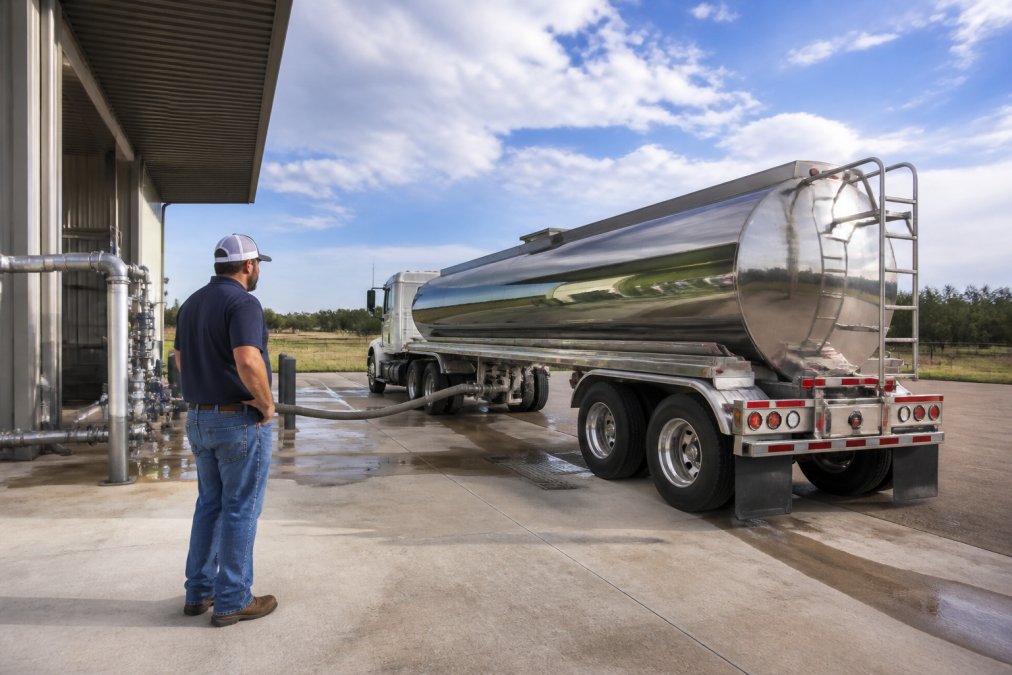
The pickup model eliminates the most common supply disruption point: delivery logistics. When you pick up your own water, you control the schedule. You know exactly when your supply arrives because you're executing the pickup.
Our operation is based in Rising Star, Texas, positioned to serve data centers, construction operations, industrial facilities, and fire departments across the region. We provide consistent alkaline water quality with the volume capacity demanding operations require.
What we offer:
- High-volume alkaline water supply with consistent pH and water quality
- Simple pickup process that fits into existing logistics workflows
- Flexible pickup scheduling based on your operational needs, not a delivery route
- Local Texas source that reduces transport time and supply chain complexity
Contact us directly to discuss your specific requirements and what quality information we provide.
Get a Free Estimate from Our True North, LLC to discuss your volume requirements, pickup scheduling, and water quality specifications.
Pricing for bulk alkaline water supply depends on volume, frequency, and specific operational requirements. Contact Our True North, LLC directly for current pricing and to request a quote tailored to your operation.
High volume alkaline water supply is an infrastructure decision, not a commodity purchase. For data centers, construction crews, fire departments, and industrial facilities needing consistent, clean alkaline water at scale, Our True North, LLC provides reliable bulk pickup with no delivery dependency and consistent water quality. Contact us to get a free estimate and discuss whether our pickup model fits your operation's logistics and volume requirements.
Frequently Asked Questions
What are the industrial benefits of using high volume alkaline water?
High volume alkaline water supply supports equipment longevity by reducing scale buildup and corrosion in pipes and cooling systems. For crew hydration, pH-balanced water with electrolytes supports hydration status during physically demanding work. Industrial facilities also benefit from consistent water quality across operations, reducing variability in processes that depend on stable water chemistry, such as cooling tower management and equipment rinsing.
How does pH-balanced water impact industrial equipment longevity?
Water with a pH that skews acidic accelerates corrosion in metal pipes, heat exchangers, and cooling system components. Alkaline water with a controlled pH level reduces this corrosive effect, limiting mineral deposition and protecting critical infrastructure. For data centers and manufacturing sites, this translates to fewer maintenance cycles and longer equipment service life. The exact benefit depends on your source water chemistry and the specific materials in your system.
What are the logistical advantages of a direct pickup alkaline water supply?
A direct pickup model eliminates dependence on third-party delivery schedules, which is critical for operations that cannot tolerate supply gaps. You control when you collect water based on your actual usage cycle, not a supplier's routing calendar. For high-volume users like data centers or construction sites, this flexibility prevents the bottlenecks that come with fixed delivery windows, especially during peak demand periods or emergency situations requiring immediate access to large quantities of potable water.
Is high volume alkaline water suitable for large-scale construction hydration?
Yes. Bulk alkaline water for construction sites provides a practical hydration solution for large crews working in hot conditions. Water with a pH above neutral and added electrolytes supports hydration more effectively than plain tap water during sustained physical labor. Operationally, bulk pickup allows site managers to fill their own storage tanks on a schedule that matches crew size and shift patterns, avoiding the cost and waste of individual bottled water at scale.
Why choose a dedicated alkaline water supplier over standard bottled water?
Standard bottled water creates significant per-unit costs and generates substantial plastic waste at industrial volumes. A dedicated high volume alkaline water supply through bulk pickup cuts per-gallon costs, eliminates packaging waste, and gives operations managers direct control over their water inventory. For facilities with consistent, large-scale demand, sourcing from a local supplier also reduces the supply chain risk that comes with relying on national bottled water distribution networks.
This article was written using GrandRanker
Frequently Asked Questions
What are the industrial benefits of using high volume alkaline water?
High volume alkaline water supply supports equipment longevity by reducing scale buildup and corrosion in pipes and cooling systems. For crew hydration, pH-balanced water with electrolytes supports hydration status during physically demanding work. Industrial facilities also benefit from consistent water quality across operations, reducing variability in processes that depend on stable water chemistry, such as cooling tower management and equipment rinsing.
How does pH-balanced water impact industrial equipment longevity?
Water with a pH that skews acidic accelerates corrosion in metal pipes, heat exchangers, and cooling system components. Alkaline water with a controlled pH level reduces this corrosive effect, limiting mineral deposition and protecting critical infrastructure. For data centers and manufacturing sites, this translates to fewer maintenance cycles and longer equipment service life. The exact benefit depends on your source water chemistry and the specific materials in your system.
What are the logistical advantages of a direct pickup alkaline water supply?
A direct pickup model eliminates dependence on third-party delivery schedules, which is critical for operations that cannot tolerate supply gaps. You control when you collect water based on your actual usage cycle, not a supplier's routing calendar. For high-volume users like data centers or construction sites, this flexibility prevents the bottlenecks that come with fixed delivery windows, especially during peak demand periods or emergency situations requiring immediate access to large quantities of potable water.
Is high volume alkaline water suitable for large-scale construction hydration?
Yes. Bulk alkaline water for construction sites provides a practical hydration solution for large crews working in hot conditions. Water with a pH above neutral and added electrolytes supports hydration more effectively than plain tap water during sustained physical labor. Operationally, bulk pickup allows site managers to fill their own storage tanks on a schedule that matches crew size and shift patterns, avoiding the cost and waste of individual bottled water at scale.
Why choose a dedicated alkaline water supplier over standard bottled water?
Standard bottled water creates significant per-unit costs and generates substantial plastic waste at industrial volumes. A dedicated high volume alkaline water supply through bulk pickup cuts per-gallon costs, eliminates packaging waste, and gives operations managers direct control over their water inventory. For facilities with consistent, large-scale demand, sourcing from a local supplier also reduces the supply chain risk that comes with relying on national bottled water distribution networks.