 listicle
7 Ways to Reduce Water Procurement Costs
Table of Contents
- 1. Conduct a Comprehensive Water Audit
- 2. Install Water-Efficient Fixtures and Equipment
- 3. Fix Leaks and Implement Preventive Maintenance
- 4. Optimize Bulk Water Supply for Manufacturing Operations
- 5. Adopt Water Procurement Best Practices for Industry
- 6. Implement Rainwater Harvesting and Greywater Recycling
- 7. Monitor Usage with Smart Meters and Sub-Metering
- Frequently Asked Questions
Last Updated: September 27, 2026
1. Conduct a Comprehensive Water Audit
The first step to reduce water procurement costs is understanding exactly where your water goes. A comprehensive water audit reveals consumption patterns, identifies waste, and quantifies your actual usage against industry benchmarks. Without this baseline, you're making procurement decisions blind.
Start by documenting all water entry points into your facility. For data centers, this includes cooling systems, equipment maintenance, and sanitation. For manufacturing operations, track process water, cleaning cycles, and product-specific needs. Construction sites need to account for crew hydration, dust control, and equipment washing. Fire departments should measure training exercises, equipment maintenance, and emergency response scenarios.
Audit your existing utility bills for the past 12-24 months. Look for seasonal spikes, usage anomalies, and rate changes. Many facilities discover they're paying for water during shutdown periods or carrying inflated baseline rates from outdated contracts. Sub-metering specific departments or processes reveals where the biggest consumption drivers sit, often cooling systems or high-volume manufacturing lines account for 60-80% of total usage.
Engage a water management consultant if your operation is large or complex. They'll identify leaks you can't see, inefficiencies in your current supply chain, and opportunities to reduce water procurement costs through process changes alone. The audit investment typically pays for itself within months through identified savings.
2. Install Water-Efficient Fixtures and Equipment
Replacing aging fixtures with water-efficient alternatives cuts consumption immediately. The EPA's WaterSense program certifies fixtures that use at least 20% less water than standard models while maintaining performance. For industrial operations, this means low-flow aerators on washdown stations, efficient cleaning nozzles, and optimized cooling tower systems.
In data centers, cooling towers consume massive volumes. Modern efficient models reduce water loss through evaporation and drift. Manufacturing facilities benefit from updated process equipment, newer washers, rinsers, and spray systems designed for water conservation. Construction sites see quick wins from low-flow handwashing stations and smart hose nozzles that shut off automatically.
The upfront cost of fixture replacement is real, but operational savings compound. A single low-flow aerator costs under $50 and saves thousands annually on water procurement costs. Cooling tower upgrades represent larger capital investments but deliver proportional returns, especially for 24/7 operations where water runs continuously.
Prioritize high-volume areas first. Focus on equipment that runs constantly or cycles frequently, these deliver the fastest payback. Then address seasonal or intermittent usage points. This phased approach spreads capital costs while generating immediate savings to fund subsequent upgrades.
3. Fix Leaks and Implement Preventive Maintenance
Leaks are silent budget killers. A single dripping faucet wastes thousands of gallons annually. A pinhole leak in a cooling line or process pipe goes unnoticed until your water bill spikes. For facilities operating 24/7, even small leaks compound into massive waste over weeks.
Establish a preventive maintenance schedule. Inspect all visible piping, connections, and fixtures monthly. Check for corrosion, mineral buildup, and loose fittings. Train maintenance staff to recognize early warning signs, discoloration, wet spots, pressure changes, or unusual sounds. Catch problems before they become expensive.
Implement meter monitoring to catch hidden leaks. If your consumption spikes without operational changes, a leak is likely the culprit. Smart meters alert you to anomalies in real time, not when your next bill arrives. For large facilities, sub-metering by department or process line pinpoints exactly where leaks occur.
Repair protocols matter. Don't patch leaks temporarily, replace failed components with quality parts rated for your water pressure and chemistry. Cheap repairs fail quickly, creating repeat problems and ongoing water loss. Budget for maintenance as a cost of reducing water procurement costs, not an optional expense.
4. Optimize Bulk Water Supply for Manufacturing Operations
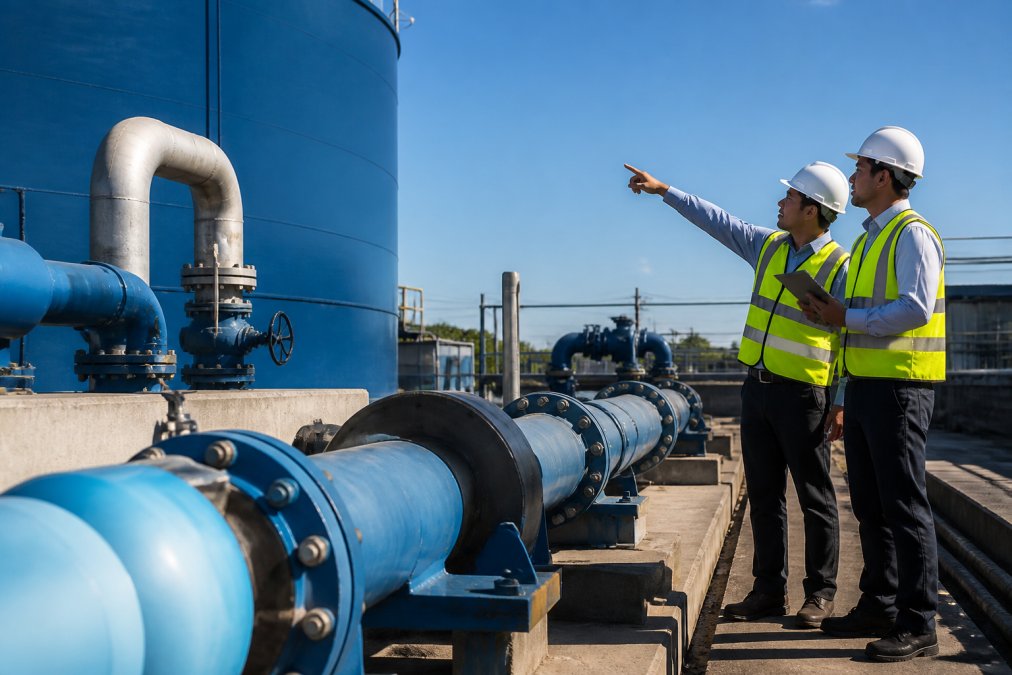
Manufacturing operations with high-volume water needs face different procurement challenges than smaller facilities. Your supply strategy directly impacts operational efficiency and costs. Instead of relying on municipal delivery or single-source suppliers, evaluate options that match your actual consumption patterns.
Bulk water supply contracts should reflect your real usage, not worst-case scenarios. Many manufacturers overpay because contracts were written years ago and never renegotiated. Review your current agreement: Are you paying for minimum volumes you don't use? Are rate tiers structured to penalize peak-season demand? Are you locked into delivery schedules that don't match your production calendar?
Consider pickup-based supply models, especially if your facility can store bulk water. This approach eliminates delivery delays, reduces per-unit costs, and gives you control over timing. Consider pickup-based supply models, especially if your facility can store bulk water. This approach eliminates delivery delays, reduces per-unit costs, and gives you control over timing.
Negotiate volume discounts aggressively. Suppliers price based on consumption, larger commitments yield lower per-gallon rates. If your facility has multiple locations, consolidate procurement across all sites to increase volume and use. Some suppliers offer tiered pricing that rewards consistent, predictable demand.
Storage capacity enables better procurement timing. If you can store 48-72 hours of supply on-site, you're not dependent on same-day delivery. This flexibility lets you negotiate better rates and avoid emergency premium pricing during peak demand periods.
5. Adopt Water Procurement Best Practices for Industry
Professional procurement practices separate high-cost operations from efficient ones. Treat water procurement like any other critical supply chain, with strategy, contracts, and continuous optimization.
Start with a formal procurement policy. Document your water quality requirements, volume needs, delivery schedules, and cost targets. Specify standards your supplier must meet: alkalinity levels, mineral content, contamination limits, and testing frequency. Clear specifications prevent disputes and ensure you're paying only for what you actually need.
Competitive bidding drives better pricing. Even if you're satisfied with your current supplier, request quotes from alternatives annually. Suppliers adjust rates based on market conditions and competitive pressure. Regular bidding ensures you're not overpaying due to inertia. Competitive bidding drives better pricing. Even if you're satisfied with your current supplier, request quotes from alternatives annually. Suppliers adjust rates based on market conditions and competitive pressure. Regular bidding ensures you're not overpaying due to inertia.
Contract terms matter enormously. Lock in rates for 12-24 months to protect against price volatility. Negotiate price adjustment clauses tied to cost indices rather than supplier discretion. Include service level agreements specifying response times for emergency orders and quality guarantees. Build in exit clauses if service fails, you shouldn't be trapped in a bad contract.
Consolidate suppliers where possible. Managing relationships with multiple vendors increases complexity and prevents volume discounts. However, maintain backup suppliers for critical operations, sole-source dependency creates risk if your primary supplier fails.
6. Implement Rainwater Harvesting and Greywater Recycling
Rainwater harvesting and greywater recycling reduce your dependence on purchased water, directly lowering procurement costs. These systems capture water that would otherwise be wasted, treating it for reuse in appropriate applications.
Rainwater harvesting works best in facilities with large roof areas, data centers, manufacturing plants, and large commercial buildings. Collect runoff in storage tanks, filter it, and use it for cooling tower makeup, landscape irrigation, or equipment washing. The quality is typically excellent for non-potable applications. In Texas, where seasonal rainfall varies, storage capacity determines how much rainwater you can actually use.
Greywater recycling captures water from sinks, showers, and equipment cleaning for reuse in toilets, irrigation, or cooling systems. The water requires basic filtration and sometimes treatment, but the investment is modest compared to savings. A manufacturing facility recycling process water through multiple production stages can reduce total procurement by 20-30%.
Both systems require upfront capital investment in collection infrastructure, storage, filtration, and treatment. However, the payback period for large-volume users is typically 2-4 years. After that, every gallon recycled is a gallon you don't have to procure.
Regulatory requirements vary by location. Some jurisdictions restrict greywater use or require specific treatment standards. Check local regulations before designing systems. Many municipalities now offer rebates for rainwater harvesting and greywater recycling, these incentives can offset 30-50% of installation costs.
7. Monitor Usage with Smart Meters and Sub-Metering
Real-time usage data transforms water management from reactive to proactive. Smart meters and sub-metering systems show exactly where water goes, when it's used, and when anomalies occur. This visibility enables continuous optimization and catches problems before they become expensive.
Install smart meters at your main water entry point to track total facility consumption.
Frequently Asked Questions
How can industrial facilities lower their water procurement expenses?
Industrial facilities reduce water procurement costs through multiple strategies: conducting regular water audits to identify waste, installing water-efficient fixtures and equipment, fixing leaks promptly, and optimizing bulk water supply contracts. Implementing sub-metering allows tracking of consumption by department or process line, revealing high-use areas. Many facilities also explore rainwater harvesting or greywater recycling to offset purchased water volume, directly lowering utility bills and resource management costs.
What are the best water procurement best practices for industry?
Effective water procurement practices include negotiating multi-year contracts with suppliers to lock in rates before utility rates increase, conducting meter monitoring to detect leaks early, scheduling irrigation and outdoor water use during off-peak hours, and requiring full load operation of equipment to maximize water efficiency per unit output. Audit utility bills regularly to catch billing errors, compare supplier options including local pickup-based services to eliminate delivery delays, and invest in WaterSense-labeled fixtures. Establish performance benchmarks and track water footprint trends quarterly to ensure continuous improvement.
How does water quality impact procurement costs for data centers?
Data centers require high-purity water for cooling systems and equipment maintenance. Poor water quality increases operational costs through equipment corrosion, reduced cooling efficiency, and higher treatment expenses. Reliable suppliers providing consistent, clean alkaline water reduce the need for additional on-site treatment, lowering capital and operational expenses. Data centers that source high-quality water upfront avoid costly downtime from equipment failure and reduce energy consumption during cooling cycles, directly improving the ROI of water procurement investments.
What should be considered when choosing a bulk water supplier?
Evaluate suppliers based on volume capacity, water quality certifications, delivery reliability, and pricing structure. For high-volume users, consider pickup-based models that eliminate delivery delays and allow flexible scheduling. Request references from other industrial or data center clients to verify consistent performance during peak demand periods. Confirm the supplier can meet your site's specific water quality requirements and has backup capacity. Compare total cost of ownership including any treatment or infrastructure costs, not just per-unit pricing.